The Benefits of Divorce Mediation on Long Island

One benefit of Divorce Mediation is that it can resolve many of the issues surrounding the dissolution of a marriage. This is because the mediator will be able to negotiate the division of assets and liabilities between the two parties. During the divorce process, the mediator can also help the couple decide how to divide the marital home, vacation home, time share, savings account, and more. After reviewing the information and discussing all of the options, the mediator will come up with an agenda to divide assets.
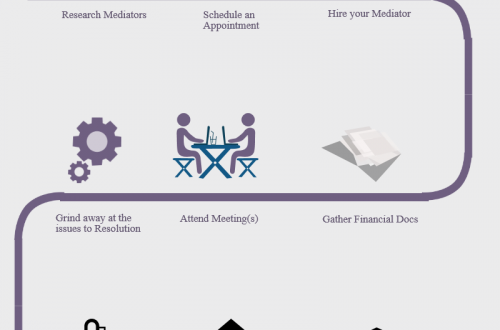
The process begins with a selection of a mediator. Once the couple agrees to mediate, the mediator will begin by facilitating the process. The mediator will ask the parties to provide financial documents as part of the initial consultation. The parties will then meet with the mediator in a series of meetings with an agenda for each meeting. This process will typically last a few sessions. In addition, the mediator will provide legal advice and help the parties come to a mutual agreement on their divorce settlement.
When couples start divorce mediation, the first meeting will set the foundation for the rest of the mediation process. Typically, the couple will meet with the mediator three to eight times, with each session bringing them closer to an agreement. After each meeting, the couple will go back to the mediator to discuss any remaining issues. There are four stages of mediation. For more complicated cases, it may take several sessions to reach an agreement. But the more complicated the divorce is, the more time mediation takes.
During the third meeting, the mediator will remind both spouses of their priorities. In this way, the mediator can help both parties trade off lesser priorities and reach a fair agreement. The process also allows for both spouses to consider one another’s concerns. While the mediator can’t make legal decisions, she can present various options for settlement and help the spouses assess what works for them. Ultimately, a successful mediation will allow both spouses to focus on their own lives.
While divorce mediation will not resolve all issues in a divorce, it will help the parties reach an agreement about how to divide marital assets and liabilities. If the couples are not able to discuss certain issues in private, they should not consider divorce mediation. These couples will inevitably end up drawing lines in the sand and arguing over issues that they should be able to resolve independently. Further, a contested divorce process will be longer if the spouses are unable to communicate on important issues.
The first step in divorce mediation is to decide which way to go. Some people find divorce mediation a helpful way to remain in control. The process is best for couples who are able to communicate amicably and commit to problem-solving. However, divorce mediation is not suitable for couples who wish to conceal assets or defraud their spouse. As with any other legal process, divorce mediation is not a substitute for a divorce attorney.
If you’re seeking divorce mediation in your area, it’s important to find out which court will supervise the proceedings. A court-sponsored mediation session will typically focus on custody and visitation issues. Other issues will not usually be part of the process, but in some courts, couples may be able to resolve other issues in mediation once a parenting plan has been completed. Additionally, in some states, judges may order divorcing couples to mediate all of the issues related to the family, including alimony, child support, and property.
Although the process is more difficult than filing for divorce, it’s still possible for divorcing spouses to reach an agreement with the help of a mediator. The mediator can keep the lines of communication open and help the couple brainstorm ideas and reality-test decisions. The mediator can also help the couple remain focused, which is important for a successful outcome. The process of divorce mediation can quickly become acrimonious and stressful time, and it’s important for both parties to stay focused and calm.
As with any type of legal proceeding, the effectiveness of divorce mediation depends on many factors. Divorce mediation isn’t right for every couple. If you’re considering the option, consult a divorce lawyer to discuss your situation. The mediation process is less expensive than a courtroom divorce, and it’s significantly less emotional and stressful. Furthermore, it helps the two parties to resolve their differences and see the benefits of avoiding litigation.