Long Island Divorce Mediation Costs Explained: A Step-by-Step Guide to Finding Quality Services Without Breaking the Bank

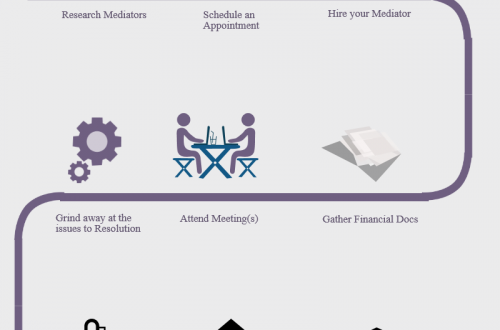
What is Divorce Mediation? Divorce mediation is a collaborative process in which the spouses meet with a trained mediator. During the mediation process, the mediator will help the parties understand the process of divorce and how they can work together to achieve a mutually beneficial settlement. The mediation process involves many housekeeping issues and preparation for the settlement. The mediator will ask questions to clarify positions, and the spouses will work together to resolve conflicts and reach a compromise.
The mediator will remind both parties of their important needs and interests, and they can compromise on other less significant issues. Negotiation points can include spousal support and child custody. The parties can also use the mediation process to settle debts and division of marital property. Although the divorce process can be stressful, mediation can lead to a favorable settlement for both parties. Ultimately, the parties will come to a mutual agreement. Divorce mediation can help you and your spouse avoid costly legal fees.
The mediation process is not formal. The mediator does not arbitrate the dispute and does not advocate for either party. It is completely voluntary. There are no formal rules, and neither party is required to sign a confidentiality agreement. The mediator can also be removed if neither party is comfortable. Additionally, parties can decide not to proceed with the mediation if they do not want to. However, the benefits of divorce mediation outweigh the disadvantages.
The two parties should be in good mental health to participate in a mediation. If they are not in a position to negotiate, they should consult a lawyer for advice. Divorce mediation will help you resolve your conflict in a productive and healthy manner. In the end, both parties will have a better understanding of their respective roles and obligations. When a divorce lawyer cannot reach an agreement between the two of you, mediation will resolve the issues between the spouses.
The first meeting will establish the foundation for the rest of the mediation process. During the first meeting, the mediator will inform the parties of the court system and typical divorce settlement methods. By understanding both parties’ needs and desires, the divorce process will be more efficient. The mediator will identify obstacles that may stand in the way of reaching a mutually beneficial settlement. For instance, a mediator can help a couple resolve issues that involve child custody and child support, as well as spousal maintenance.
Another benefit of divorce mediation is that it is confidential. Unlike in a courtroom, the mediator does not represent either party, so there is no need to hire an independent expert or a court reporter. This way, the parties can work together to resolve their differences and achieve a settlement. In addition, the mediator does not make decisions or impose their own preferences or positions. In addition to facilitating a mutually beneficial agreement, divorce mediation helps keep the process shorter than it might otherwise be.
Depending on the complexity of the issues in the case and your spouse’s ability to reach an agreement, the mediation process can take months or even years. For most cases, three to four two-hour sessions are enough. For complex cases, however, it may take up to four or six months. When preparing for divorce mediation, remember that you may spend thousands of dollars on legal fees and time. The benefits of divorce mediation outweigh the risks.
Aside from saving money, divorce mediation is also less stressful and less expensive than a courtroom process. Divorce mediation is also less expensive than litigation, and it can prevent the need for a lawyer. Divorce mediation is also a much faster and cheaper process than litigation. The main reason why couples opt for divorce mediation is because it avoids a courtroom battle and allows them to work out their differences without the rigors of litigation.